


Multiplayer games are unforgiving when it comes to hosting. A small delay, a short disconnect, or an unstable server shows up immediately in gameplay. Players might not know what’s causing it, but they feel it, and they react fast.
That’s why hosting choices matter more for online games than for most other projects. What works fine for a website or even a basic app can fall apart quickly once real players start connecting at the same time.
What Online Games Actually Demand From Hosting
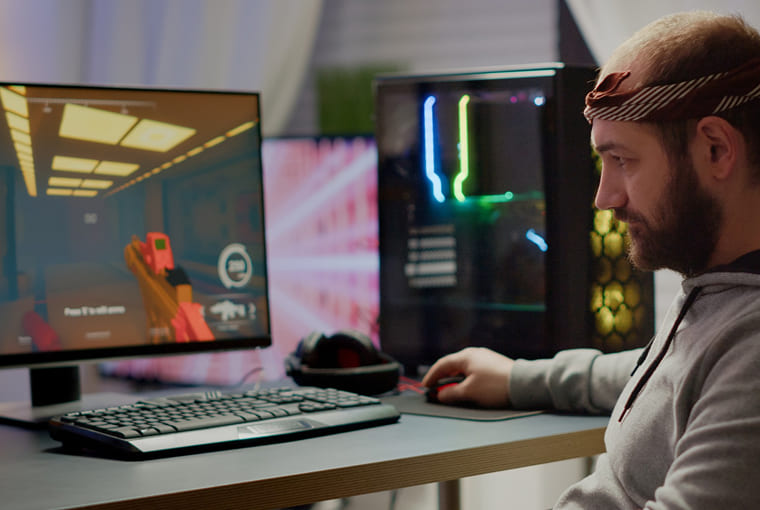

Online games don’t just send data occasionally. They’re constantly exchanging information – player movement, actions, updates, and game state changes. All of this has to stay in sync across every connected player.
When hosting struggles, the game doesn’t just slow down. The experience starts to feel uneven and frustrating for players. That’s why multiplayer hosting ends up being more about staying consistent under load than simply having powerful hardware.
Shared Hosting: Fine for Testing, Not for Playing

Shared hosting is often the first thing people look at because it’s affordable and easy to start with. For early testing or small private servers, it can be enough.
Once players join in, the limits become clear. Resources are shared, performance can change without warning, and the game server isn’t always the priority. Even if the game itself is well-built, shared hosting introduces variables you can’t really control.
For anything beyond basic experimentation, shared hosting tends to feel restrictive.
VPS Hosting: A Common Middle Ground

VPS hosting is where many multiplayer projects find balance. Resources are more predictable, and the environment feels more stable than shared setups.
For smaller multiplayer games or growing communities, VPS hosting often works well. A VPS gives you more room to adjust things without feeling overwhelmed to manage. For smaller multiplayer communities, that balance usually works well. But it doesn’t remove limits entirely – once activity pushes past what the server can handle, performance issues tend to resurface.
Dedicated Servers: Built for Serious Multiplayer

With a dedicated server, the game runs on its own machine. There’s nothing else competing for space or attention, which makes behavior easier to anticipate during play.
This setup works best for competitive games, public servers, or communities where uptime and fairness matter. When player counts spike, dedicated servers handle the load more gracefully.
The downside is cost. Because dedicated servers cost more to run, many projects don’t move to them right away and only consider the switch once growth becomes easier to justify.
Cloud Hosting: Flexibility for Unpredictable Traffic

Cloud hosting tends to come up when player activity is hard to predict. Traffic can jump suddenly or vary over time, and fixed setups don’t always cope well with that. In those situations, having resources that can shift as demand changes makes things easier to manage.
This helps prevent sudden crashes during peak activity. While cloud environments can be more complex behind the scenes, many providers simplify the experience enough for game hosting.
Cloud hosting isn’t always necessary at the start, but it becomes appealing when player behavior is hard to predict.
Server Location Matters More Than People Expect
No matter how powerful the hosting is, distance still plays a role. Players connecting from far away experience delays that no amount of optimization can fully remove.
Hosting options that allow regional servers or multiple locations help reduce this problem. Keeping servers closer to players improves responsiveness and makes gameplay feel smoother.
Choosing What Fits Your Game Right Now
There’s no single hosting option that works for every multiplayer game. Some start small and grow slowly. Others attract large numbers of players quickly.
What matters most is choosing a hosting that:
- Feels stable under current load
- Doesn’t introduce unpredictable lag
- Can adjust as the player base grows
A lot of projects begin with a simpler setup and only change things once circumstances force the decision.
Endnote
Multiplayer games expose hosting weaknesses faster than almost anything else. When hosting works well, players stay focused on the game. When it doesn’t, players notice almost immediately. Hosting that stays steady and doesn’t demand attention lets people focus on the game instead of what’s going wrong quietly in the background.