


Scaling usually isn’t part of the plan at the beginning. Most projects start small, with storage that feels more than enough. Files upload quickly, backups exist somewhere, and nothing feels strained.
The question of scaling only shows up later when storage starts filling faster than expected, access becomes slower, or more people need to use the same data at once. That’s usually when the difference between cloud storage and local servers becomes very real.
Local Servers Work Well Until They Don’t


Local servers give a sense of control. Everything lives in one place, storage limits are clear, and performance feels predictable. For smaller teams or early-stage setups, this can feel comfortable.
The challenge appears when usage grows. Storage runs out. Hardware upgrades are needed. Access from different locations becomes awkward. Every increase in demand turns into a manual decision instead of a smooth adjustment.
Scaling local servers often means planning, buying hardware, and hoping growth matches expectations. When it doesn’t, things either feel overbuilt or underpowered.
Cloud Storage Handles Growth Differently
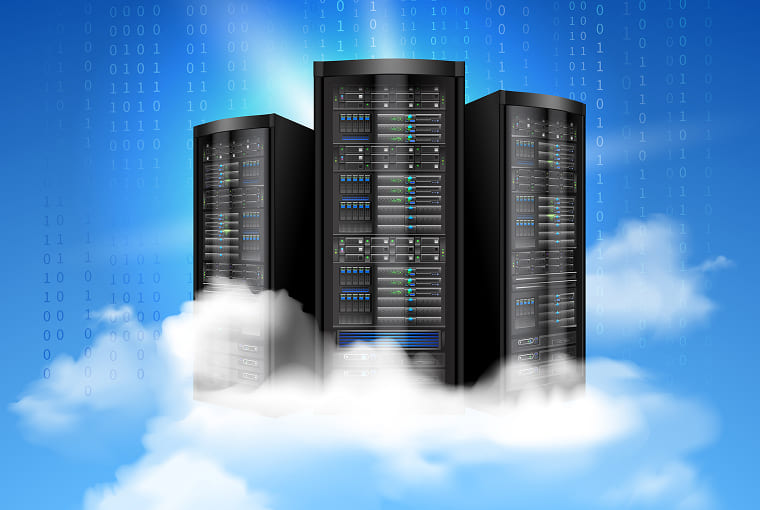
Cloud storage approaches scaling from the opposite direction. Instead of asking you to plan for growth upfront, it adjusts as demand changes.
More files, more users, or higher access frequency don’t usually require new hardware decisions. Storage expands quietly, and capacity stops being something you constantly calculate.
This doesn’t mean cloud storage is unlimited or effortless. Costs change as usage grows, and performance still needs monitoring. But the process of scaling feels less disruptive.
Access Changes the Scaling Conversation
Scaling isn’t just about how much data you store. It’s also about how often and from where that data is accessed.
Local servers work best when access is limited and predictable. Once teams are spread out or users connect from different locations, bottlenecks appear quickly. Latency increases, and reliability becomes harder to maintain.
Cloud storage is built with distributed access in mind. Data is designed to be reachable from multiple places without relying on a single physical system. As access patterns change, the storage setup doesn’t need to be redesigned.
Maintenance Becomes a Scaling Factor

With local servers, scaling also increases maintenance. As storage grows, so does the amount of upkeep around it. As storage grows, upkeep starts taking more time. Backups stretch out, monitoring becomes routine, and there’s more that can break. With cloud storage, a lot of that effort sits outside the team, leaving more space to focus on using the data instead of maintaining it.
This difference becomes noticeable as systems grow. The more storage expands, the more time local setups demand.
Cost Feels Different at Scale
Local servers often feel cheaper at first. Hardware is purchased once, and costs feel fixed. Over time, upgrades, replacements, and downtime add up.
Cloud storage spreads costs out. You pay as usage increases, which can feel unpredictable, but it avoids large upfront investments. At scale, this flexibility often matters more than strict cost control.
Neither model is automatically cheaper; they just handle growth differently.
Which One Scales More Comfortably?
Local servers scale through planning. Cloud storage scales through adjustment. If growth is slow, predictable, and controlled, local servers can work well for a long time. If growth is uneven, uncertain, or driven by user demand, cloud storage usually adapts more easily.
The real difference shows up when scaling becomes frequent instead of occasional.
Final Thoughts
Cloud storage and local servers tend to suit different situations rather than competing directly. One feels more controlled at the start, the other adjusts more easily as things change. When storage grows without causing friction, it fades into the background, and that’s usually when the setup feels right for the work being done.