


When streaming works well, nobody talks about it. A video plays, audio stays clear, and everything feels smooth. The moment buffering starts or quality drops, though, the experience falls apart quickly.
Two things quietly shape that experience more than most people realize: bandwidth and content delivery networks, often called CDNs. They’re not flashy features, but when they’re not handled properly, viewers notice almost immediately.
Bandwidth Is About Headroom, Not Just Speed
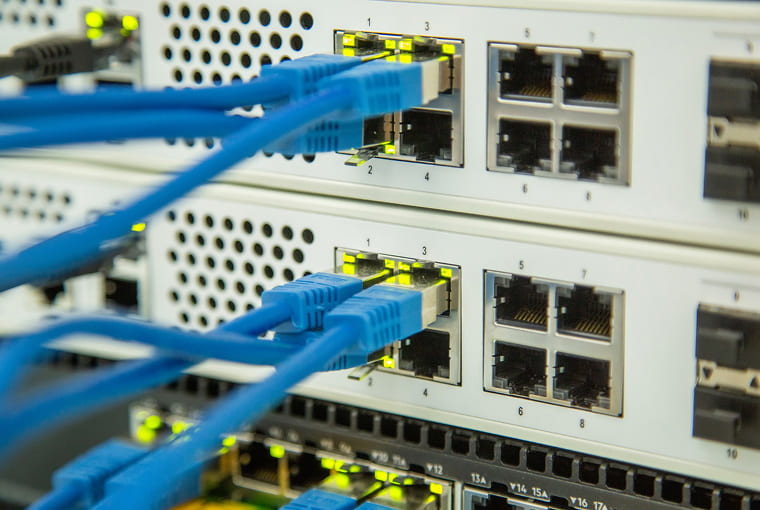

During streaming, problems usually show up when the system doesn’t have much room to react. Video keeps pulling data in the background, and when that flow tightens, playback starts to struggle. When bandwidth is limited, the stream has less flexibility. Quality drops, buffering appears, or playback pauses to wait for more data.
This becomes more obvious as more people watch at the same time. A stream that feels fine with a handful of viewers can struggle once traffic picks up. Nothing may be broken – there just isn’t enough breathing room.
Why Streaming Problems Can Appear
Streaming issues often feel sudden. Everything seems fine, and then, without much warning, playback starts to struggle or quality drops. That’s because bandwidth isn’t only about your setup. It’s also affected by who else is using the same resources at the same time. Peaks in usage expose limits very quickly, especially during live streams or popular on-demand content.
When there’s no extra capacity to absorb those spikes, streaming quality is usually the first thing to suffer.
What a CDN Changes

With a CDN in place, video doesn’t have to travel from one far-off point every time someone hits play. Content is already closer to where viewers are, which helps things start quicker and stay steadier. Most people never think about where the video is coming from – they just notice that it plays without much waiting. And for streaming, that difference shows up immediately. Even small delays add up quickly when content is being delivered continuously.
Streaming Without a CDN Feels Fine… Until It Doesn’t
Many platforms start without a CDN and don’t notice any problems at first. With low traffic or a local audience, things can appear perfectly fine.
The cracks usually show when:
- Viewers join from different regions
- Traffic spikes unexpectedly
- Live streaming enters the picture
All at once, the server is under more pressure, pushing out more data and handling requests from much farther away. That’s when buffering and quality drops become common.
A CDN doesn’t make content better – it makes delivery more forgiving.
How Bandwidth and CDN Work Together

Bandwidth and CDN aren’t separate solutions. They support each other.
Bandwidth provides the capacity to move data smoothly. A CDN reduces how far that data has to travel and how much pressure any single server handles. When both are in place, streaming feels more consistent, even when usage changes.
If one is missing, the other can only do so much. Plenty of bandwidth without a CDN still struggles with distance. A CDN without enough bandwidth can’t prevent congestion.
Why Viewers Feel the Difference Instantly
Streaming quality isn’t subtle. Viewers notice delays, buffering, and quality shifts almost immediately. Unlike a slow-loading page, streaming problems interrupt the experience mid-way.
That’s why bandwidth limits and poor delivery setups show up faster in streaming than in other types of content. Small hiccups become noticeable almost immediately.
Lastly
Good streaming quality usually isn’t the result of one big feature. It comes from having enough bandwidth to handle demand and a delivery setup that keeps content close to viewers.
When bandwidth and CDN work quietly in the background, streaming feels effortless. And when they don’t, no amount of tweaking on the surface can fully hide the problem.